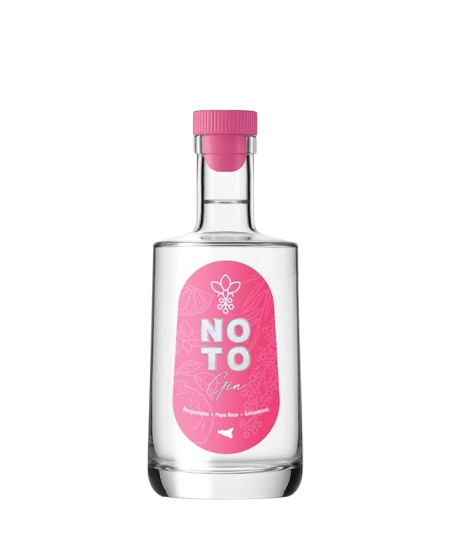

Five Italian gins to celebrate International Gin Day
 Francesca Negri,
Friday, 05 June 2026 (0 minutes read)
Francesca Negri,
Friday, 05 June 2026 (0 minutes read)


Few people know this, but gin’s origins do not lie in the Netherlands or England: its history begins in Italy. The earliest documented references date back to the Salerno School of Medicine in the 11th century, one of the most authoritative centers of learning in medieval Europe. There, alcohol infused with juniper berries was distilled for therapeutic purposes. Juniper was prized for its beneficial properties—digestive, antiseptic, and tonic—and served as a key ingredient in the preparation of medicinal remedies for the body.
From these Italian roots, the practice of distillation gradually spread throughout the rest of Europe, evolving over time. It was in 17th-century Netherlands that the spirit took on a more recognizable form, thanks in part to the medical studies of the time, but it was in England that gin underwent a decisive transformation. Here it lost its therapeutic function and became a popular, accessible, and widely consumed beverage, eventually defining an entire era with the phenomenon known as the “Gin Craze.”
Modern gin: a balance of craftsmanship and sustainability
If the history of gin is one of constant transformation, the present is no exception. In recent years, this spirit has experienced a true global renaissance, becoming one of the most prominent symbols of the new culture of mixology. Today, gin is no longer merely a juniper-flavored spirit, but a medium of expression capable of telling the stories of regions, raw materials, and production philosophies.
What stands out above all is an artisanal approach, increasingly focused on the quality of ingredients and the precision of distillation techniques. The visual and narrative aspects have also taken on a central role: bottles feature a refined and consistent aesthetic, designed to convey an identity even before the first sip.
At the same time, we are witnessing a more refined stylistic approach. The aromatic profiles have become more elegant and balanced, with juniper harmonizing with the other botanicals without overpowering them. The result is an increasingly versatile spirit, capable not only of shining in mixed drinks but also of offering pure tasting experiences where complexity and depth come to the fore.
Alongside craftsmanship, another key element of contemporary gin is sustainability. More and more producers are adopting short supply chains, using local botanicals, and choosing responsible packaging solutions. This is not merely an ethical choice, but a true defining characteristic that helps shape the style and positioning of each brand.
Italian gin: a matter of terroir
In this context, Italy is playing an increasingly significant role. This is not merely due to a compelling claim to its origins, but to a genuine ability to reinterpret gin in a contemporary way. Italian gin production stands out for its strong connection to the local terroir: Mediterranean citrus fruits, Alpine herbs, and wild spices are incorporated into the recipes and define their character, transforming every bottle into a cultural and geographical synthesis.
To celebrate International Gin Day—held annually on the second Saturday of June and paying tribute to this multifaceted spirit—we at Proposta Vini have selected five Italian labels that best embody its history, tradition, and innovation.
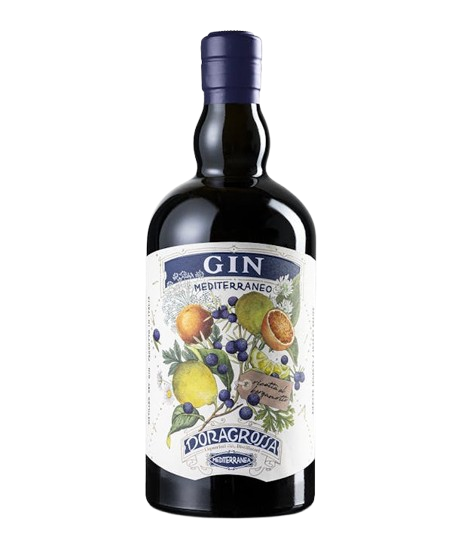
DORAGROSSA - PIEMONTE
Gin Mediterraneo al Bergamotto
Doragrossa approaches gin from a gastronomic perspective, and its Mediterranean Bergamot Gin is a prime example of this. Bergamot takes center stage with its intense aromatic profile—a balance of sweetness and bitterness—that intertwines with juniper. Supporting this are citrus notes and subtle floral undertones, which make for a fresh and lively sip. The finish is long and bright, with a pleasant bitter sensation that invites a second sip.
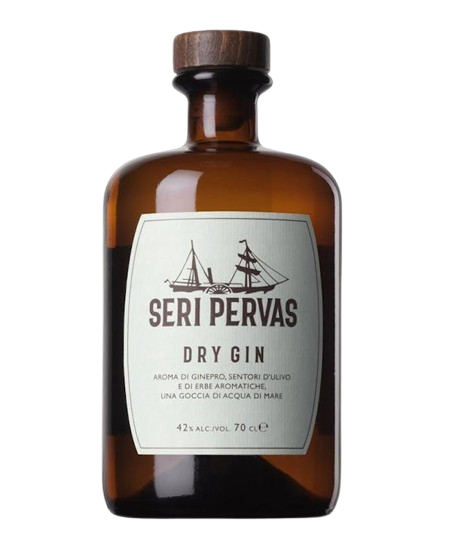
SERI PERVAS - FRIULI VENEZIA GIULIA
Dry Gin
Seri Pervas offers a gin that is simple, almost minimalist in its aromatic profile. This Dry Gin features a bold, balsamic juniper flavor, supported by a few select botanicals that enhance its character without overpowering it. Resinous and slightly peppery notes are evident, with a herbaceous undertone that evokes the landscape of Friuli. The finish is dry and clean, with a crisp aftertaste that makes it particularly well-suited for classic cocktails.
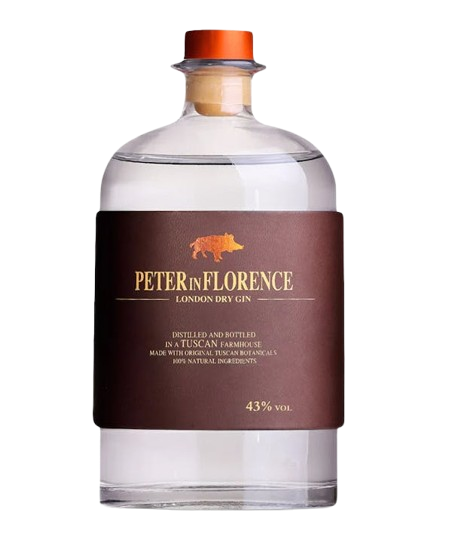
GINLAB - TOSCANA
London Dry Gin Botanical Peter In Florence
Ginlab, through the Florentine micro-distillery Peter in Florence, offers a gin deeply rooted in the city and its botanical symbol: the iris. The London Dry Gin Botanical is crafted from a rich, layered recipe featuring approximately 14 botanicals, including Tuscan juniper, Florentine iris (root and flower), fresh bergamot peel, dried lemon, rose hips, lavender, and rosemary. The profile is strongly floral, yet supported by a lively citrus base and a herbaceous component that evokes the Tuscan landscape. On the palate, it is dry yet enveloping, with an aromatic complexity that evolves from floral to balsamic.
TOSCANA - VISIONAIR
Old Tom Visionair Gin
Visionair Gin was born in Tuscany as part of a project centered on sustainability and biodiversity. Old Tom Visionair Gin stands out for its delicate, floral aroma profile: juniper is complemented by chamomile, lavender, and acacia flowers, which lend it a smoothness and an almost honeyed quality. Citrus notes bring freshness, while subtle spices round out the profile with elegance. The result is a well-rounded, enveloping gin in which floral botanicals play a central and distinctive role.

NEPETA - SICILIA
Noto Dry Gin
Nepeta has its roots in the Noto region, and its Noto Dry Gin is a true expression of the Mediterranean scrub. Among the botanicals, nepeta—a local aromatic plant—stands out, accompanied by thyme, sage, and wild herbs. Juniper intertwines with these herbaceous and balsamic notes, creating a complex and distinctive profile. The palate is intense, with a long, slightly bitter finish that evokes the arid, fragrant landscape of Southern Italy.