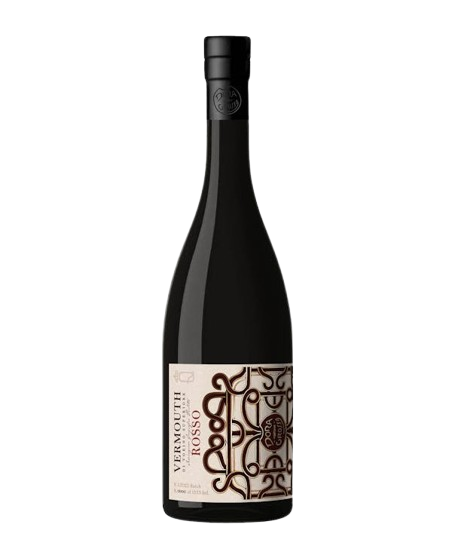


Vermouth has its origins in a very ancient practice: that of flavoring wine with herbs, spices, roots, and bark. As early as the Greek and Roman worlds, there were preparations made with wine and botanicals, used primarily for their medicinal and digestive properties. Among these was absinthe, the German “wermut” from which the name “vermouth” derives. This tradition spans the centuries and continued into the Italian Renaissance, when documented recipes for spiced and bitter wines began to appear.
Over time, vermouth evolved from a byproduct—a way to salvage wine that would otherwise have been wasted—into a fashionable beverage. It was primarily in Piedmont that it took on its modern form. (I’ve omitted a sentence here.) Turin, one of the European capitals of the time, became the center of this new drinking culture. Between the 19th and early 20th centuries, vermouth conquered Europe and the Americas, establishing itself as a fashionable aperitif and, at the same time, as one of the fundamental ingredients of the emerging culture of mixed drinks.
Today, this tradition is protected by the Vermouth di Torino I.G. designation, recognized in 2017 and produced in Piedmont from Italian wine, with wormwood among the botanicals that define its identity. Doragrossa interprets this history through various expressions, in which wine, herbs, roots, spices, and citrus fruits create profoundly different aromatic profiles.
Doragrossa: Turin's liqueur-making tradition
Doragrossa was created as a tribute to Turin’s great liqueur-making tradition and to an era when Piedmont’s skill in “operating the still” was renowned throughout Europe. The name evokes the historic district of Dora Grossa—now Via Garibaldi—one of the main thoroughfares of historic Turin. It was in this city that, beginning in the 18th century, liqueur production flourished thanks to the combination of wines, botanicals, and artisanal techniques, giving rise to a true Piedmontese school of liqueur-making.
Doragrossa revives this heritage through traditional ingredients and methods, reinterpreting them with a contemporary sensibility. At the heart of it all remains the relationship between wine and a mosaic of botanicals: wormwood, bitter roots, citrus fruits, spices, herbs, and flowers combine in various recipes, ranging from the more classic Vermouth Rosso to the Vermouth di Torino Superiore varieties, all the way to interpretations that center on two great Piedmontese wines: Barolo and Barbaresco.
Red Vermouth: the balance between citrus, spices, and bitter notes
Doragrossa Red Vermouth draws inspiration from the oldest Piedmontese recipes, reviving their characteristic interplay between bitterness, spices, and sweetness.
Elegant notes of wormwood and citrus emerge on the nose, while the aromatic profile gradually unfolds to reveal ginger, cinnamon, angelica, and orange. The heart of the recipe is decidedly bitter, featuring chamomile, gentian, rhubarb, and cinchona, but the finish brings softer notes of vanilla and sugar to balance the palate.
The result is an intense yet harmonious vermouth, in which the bitterness remains the star without overpowering the freshness of the citrus or the final sweetness.
Best served chilled on its own, it pairs well with anchovies in green sauce, veal with tuna sauce, and medium-aged cheeses. A more unusual pairing is with dark chocolate infused with ginger and orange zest, which simultaneously brings out the vermouth’s bitter, spicy, and citrusy notes. Its classic profile also makes it naturally suited for mixing, from the Americano to the Negroni.
Turin Superiore Red Vermouth: complexity and depth
In Vermouth di Torino Superiore Rosso, the wine takes center stage and the aromatic profile becomes more complex. On the nose, absinthe and vinous notes blend with a wide range of spices, among which cocoa stands out in particular.
On the palate, the bitter notes of cinchona, rhubarb, gentian, and cocoa intertwine with the freshness of orange peel. Coriander and cinnamon bring spicy nuances, while marjoram, sage, and mint add a fresher, herbaceous note. The finish is long and plays on a sweet-bitter balance that evokes the style of classic Turin vermouths: a complex, layered, and persistent expression.
At the table, it pairs well with meat terrines, pâtés, blue cheeses, and offal dishes. A particularly interesting pairing is with roast duck à l’orange, where the richness of the meat is contrasted by the bitter notes, while citrus and spices create aromatic continuity with the dish. It’s also interesting with a small taste of dark gianduia, which complements the notes of cocoa, spices, and bitter herbs.
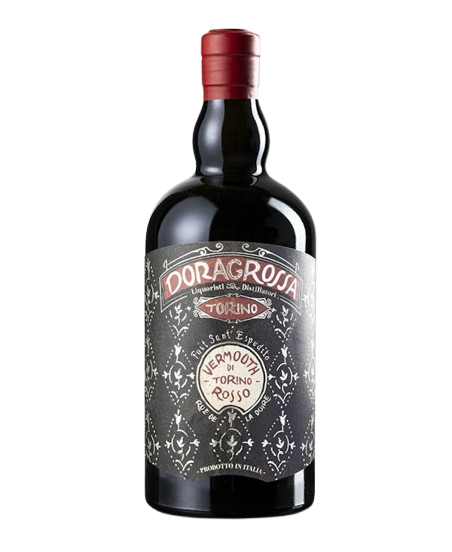
Turin Red Superior Barolo Vermouth: the wine-like character of Nebbiolo
With Vermouth di Torino Superiore Rosso Barolo, the balance shifts: the wine takes center stage, and the botanicals complement its character without masking it.
The recipe stems from the marriage of Nebbiolo d’Alba DOC and Barolo DOCG with a mosaic of aromas. On the nose, the floral and warm notes of Nebbiolo and Barolo intertwine with citrus and balsamic nuances, creating a refined, complex, and elegant profile.
Once in the glass, it continues to evolve, gradually allowing both the vinous and botanical components to emerge. The structure of the Nebbiolo meets the bitter nuances of wormwood, cinchona, and gentian, while orange and angelica bring freshness and vibrancy. The result is a balanced and deep vermouth, in which the aromatic richness unfolds gradually.
The vinous component allows for pairings with more structured dishes, such as braised meats, game, and aged Piedmontese cheeses. It’s also intriguing with a Castelmagno and hazelnut risotto, where savory notes, creaminess, and toasty flavors meet the depth of Barolo and the bitter undertones of the botanicals. To round out the meal, it pairs well with a Piedmontese bonet, playing on the contrast between the vermouth’s vinous character and the dessert’s notes of cocoa and amaretti.
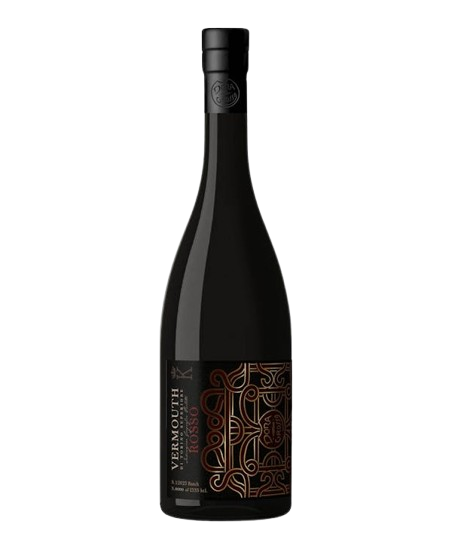
Turin Superiore Red Barbaresco Vermouth: flowers, fruit, and sweet spices
The Vermouth di Torino Superiore Rosso Barbaresco, on the other hand, showcases the most floral and harmonious side of the range. It is crafted from a base of Nebbiolo d’Alba DOC and Barbaresco DOCG, around which a broad aromatic profile unfolds, ranging from flowers to fruit to spices.
Violet, rosehip, and wildflowers open the bouquet, followed by citrus, apple, black cherry, and peach—both fresh and dried. Overlaying these notes is the warm, enveloping component of sweet spices, with vanilla taking center stage, while bitter and balsamic herbs add depth and freshness. The result is a gentle, smooth, and persistent vermouth, in which the aromatic richness of the Barbaresco and the botanicals unfolds without losing balance.
At the table, it pairs well with tajarin with ragù, roast guinea fowl, and aged cheeses. A more distinctive pairing is with foie gras accompanied by a bitter citrus compote, where the vermouth’s smoothness complements the dish’s richness, while citrus and bitter herbs lighten its finish. On the dessert front, it pairs well with spiced pears, hazelnuts, and chocolate—a combination that brings out notes of fruit, vanilla, and spices without overpowering the vermouth’s floral character.