
Mezal and Tequila: the soul of the Agave
 Valeria Di Rosa,
Friday, 04 September 2026 (0 minutes read)
Valeria Di Rosa,
Friday, 04 September 2026 (0 minutes read)


One plant, two different souls. Tequila and Mezcal are both born from agave and tell the story of Mexico through different territories, traditions, and production methods.
Tequila originates exclusively from the Agave Tequilana Weber azul variety, the famous blue agave, and is mainly linked to the state of Jalisco. Mezcal, on the other hand, can be produced from numerous varieties of agave and in different regions of the country, with Oaxaca as the historical heart of production. What distinguishes them, are also the processes. While in Tequila piñas are generally cooked in ovens before fermentation and distillation, in Mezcal traditional techniques often involve cooking the agave in pits in the ground, in contact with heated stones and plant materials. It is from here that the characteristic smoky nuances can be born, which however is osolo one of the many aromatic expressions of Mezcal.
Distillation also follows two different approaches: while tequila is typically distilled continuously—using column stills that allow for the processing of large quantities of liquid through a more consistent and standardized process—artisanal mezcal, on the other hand, is distilled discontinuously using small stills, often made of copper or clay and crafted locally. This method requires more time and manual labor, but it better preserves the characteristics of the agave and contributes to the aromatic variety of mezcal.
The centrality of terroir
But what makes the difference above all is the place, the variety of agaves and the knowledge of those who transform them. This is where terroir comes in, understood not only as soil and climate, but as the encounter between raw material, territory, and productive culture.
Just consider that while tequila is produced from a single, intensively cultivated plant—the Blue Agave—the complexity of artisanal mezcal comes from agaves that have matured for 12, 14, or even 25 years: its complexity does not depend on aging but on the agave used, its maturity, and the way it was grown. Many of the agaves used for mezcal are wild agaves, growing on their own on steep slopes, among the rocks, and under the scorching sun; their use gives rise to a spirit with a unique character, deeply tied to a specific place and moment in time.
The difference between these two spirits is made even more evident by the aging process. Tequila production, in fact, involves barrel aging, which gives rise to the classifications Blanco, Joven, Reposado, Añejo, and Extra Añejo. Traditional mezcal, on the other hand, is typically not aged. The finest mezcal is the Joven (white), which goes straight from the still to the bottle.
It is precisely these differences that define Buen Vato and Marca Negra, the stars of the Proposta Spirits selection. Buen Vato explores Jalisco's Tequila with a focus on the sustainability of the supply chain; Marca Negra explores Mezcal's diversity through agaves, territories, and diverse masters. Two interpretations that show how, in the world of spirits d'agave, the character of a distillate arises first and foremost from the place and people who produce it.
Buen Vato: Tequila between tradition and sustainability
The Buen Vato project was born from the ambient engineers of Alias Smith, a company that has been distributing Mexican spirits in Europe since 2004, in collaboration with La Santa Rosa Distillery, and aims to combine production tradition with a focus on environmental impact. The goal is to reduce the carbon footprint and improve working conditions along the supply chain, including through packaging and distribution without compromising Tequila's identity.
Buen Vato is produced by Amatitàn, in the state of Jalisco, by a family of fifth-generation producers. The blue agave piñas are harvested, cooked, and mashed to extract the juice, which then undergoes fermentation and double distillation.
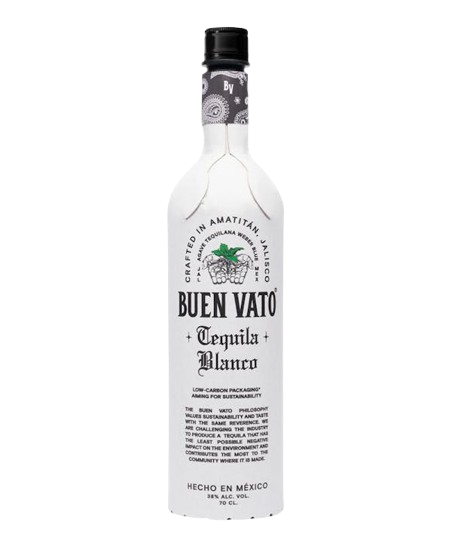
The additive-free Buen Vato Tequila Blanco tells the story of agave in its most direct expression: notes of cooked agave intertwine with aromatic herbs, citrus fruits, and cucumber. The sip is soft and slightly sweet, with hints of toasted corn and a slight salt vein, while on the finish hints of chili pepper and a pleasant citrus persistence emerge.
Marca Negra: many Mezcals, many territories
If Tequila is born from a single variety, it is in the diversity of agave that Mezcal finds one of the two most fascinating characteristics. And it is precisely this wealth that drives Marca Negra, a project born in 2010 to research and preserve some of the most authentic expressions of Mexican spirit. His Mezcal reflect different regions, agaves and production traditions, in which each bottle reflects the territory and knowledge of the Mezcalero master who makes it.
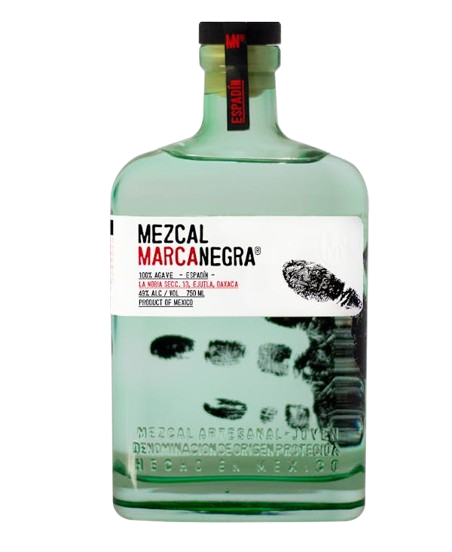
Espadìn, one of the iconic agaves of Mezcal, has a clean and immediate profile, with ripe fruit, wood-roasted notes, an almost milky sweetness and a fresh hint of lemon.
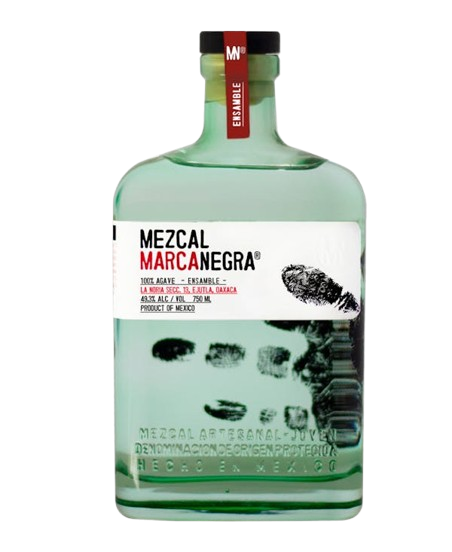
The Ensamble is more complex, an expression of the encounter between different agaves: minerality reminiscent of spring water and river stones, herbaceous notes of fennel and anise, and a fruity soul of banana, coconut, and medlar, covered in subtle nuances of cocoa and peanuts.
Instead, Sierra Negra puts the connection with the land and local communities at the centre. A Mezcal that recounts customs and knowledge passed down, accompanied by a commitment to sustainable practices capable of preserving this cultural heritage.
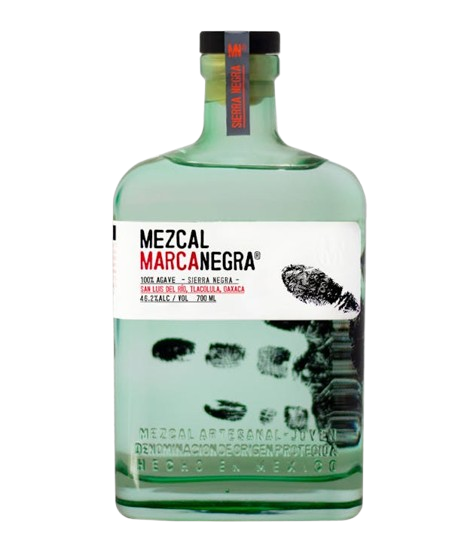
Tepeztate is a distinctly plant-based Mezcal variety, with hints of moist earth, smoked chipotle, and fresh asparagus, followed by lemon peel, pomegranate, and a spicy finish of cloves and white pepper.
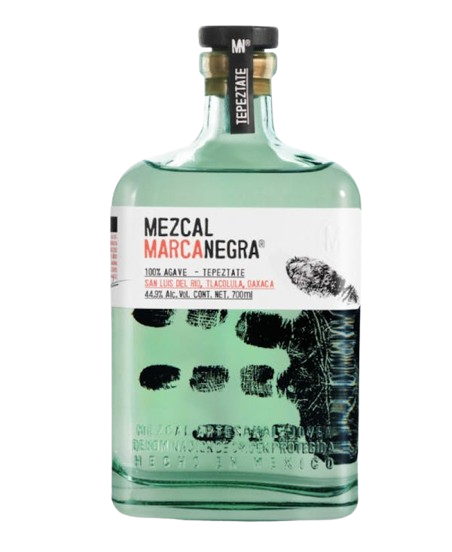
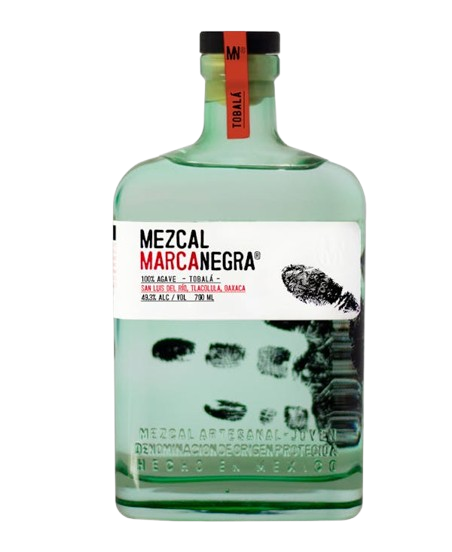
Finally, Tobalà plays on the balance between sweetness and flavor: sugar cane, a subtle salty note, and very ripe fruit meet a hint of sweet soot, for an intense profile deeply linked to the identity of Mezcal.